LIEBERT DS070KDAOEI064A Glycol Downflow Crac Drycoolers 20-TON
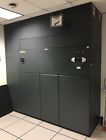
( Brand: Liebert ), ( Model: DS070KDAOEI064A ), ( Part Type: Unit ), ( Bundle Listing: Yes ), ( Country/region Of Manufacture: United States )
Review LIEBERT 20 Ton Glycol Downflow Crac Units Matching Drycoolers
The Liebert DS070KDAOEI064A is a top-tier 20 ton glycol downflow CRAC (Computer Room Air Conditioning) unit manufactured by Liebert, a leading provider of air cooling and power protection solutions. This CRAC unit is meticulously designed and engineered to ensure optimal cooling performance for data centers and other critical environments that require reliable temperature and humidity control.
The DS070KDAOEI064A features a glycol-based cooling system, which is particularly effective in preventing the chilling of returning air and maintaining a constant temperature under high ambient temperatures. The glycol solution is highly efficient and provides excellent heating capabilities, making it an ideal choice for data centers located in regions with extreme climatic conditions.
The downflow design of the DS070KDAOEI064A facilitates efficient air distribution, which ensures that cooled air is evenly dispersed throughout the data center aisle. It accommodates a cooling range between 68 F (20 C) to 95 F (35 C) and maintains a factory-set discharge temperature of 75 F (24 C) /- 2 F (1 C), which is critical for ensuring stable operating conditions for servers and IT equipment.
The unit boasts a sophisticated electronic expansion valve control system that continuously adjusts refrigerant flow to maintain optimum compressor efficiency, reducing energy consumption and costs. Additionally, it offers an advanced microprocessor controller that allows users to effortlessly configure and monitor unit performance, providing real-time alerts for system status, filter changes, and maintenance requirements.
To maintain optimal cooling efficiency and reliability, the DS070KDAOEI064A is equipped with a fin-fan design, which utilizes high-performance, backward-inclined fans that ensure maximum heat exchange surface contact. These fans are also easily accessible for maintenance and cleaning, reducing downtime and ensuring the longevity of the unit.
Another essential feature of this CRAC unit is its hot aisle containment design, which effectively segregates hot and cold air paths within the data center. This design helps improve cooling efficiency by limiting the amount of mixing between hot and cold air, thereby reducing the load on the cooling system. Furthermore, it enhances data center aesthetics and clarity, making it easier for technicians to navigate through the server racks.
Additional features of the DS070KDAOEI064A include:* A modular design for easy installation and maintenance
* 100% outdoor air economizer option for increased energy savings and low-load operation in specific applications
* A vented or solid door design, depending on your specific requirements and data center design
* Detachable, recessed, or washable filters, which are easily accessible for replacement
* Optional onboard precision cooling system for high-density computing environments
In conclusion, the Liebert DS070KDAOEI064A is an exceptional 20 ton glycol downflow CRAC unit that meets the requirements of modern data centers by offering energy efficiency, optimal cooling performance, and adaptable features. Its hot aisle containment design, fin-fan technology, and user-friendly controller make it an excellent choice for IT infrastructure professionals who demand reliable, high-performing cooling solutions.
Pros and Cons of Buying Liebert 20 GTL Glycol Downdraft CRAC Data Center Cooling Units (Model DS070KDAOEI064A)
Introduction:The Liebert 20 GTL Glycol Downdraft CRAC (Computer Room Air Conditioning) unit (Model DS070KDAOEI064A) is a cooling system that is designed for use in data centers and other environments where high-density computing equipment is present. This cooling solution utilizes glycol as a cooling agent instead of traditional air-cooled methods. In this analysis, we will discuss the advantages and disadvantages of purchasing a Liebert 20 GTL glycol downdraft CRAC.
Pros:1. Improved efficiency: Glycol cooling systems make use of a closed-loop design, allowing them to maintain stable temperatures with greater efficiency compared to traditional air-cooled CRAC systems. As a result, data centers can save energy and reduce overall operational costs.
2. Increased cooling capacity: Glycol cooling systems can deliver higher cooling capacity compared to air-cooled CRACs, which is essential in high-density data center environments.
3. Enhanced reliability: These cooling units are designed to operate continuously, ensuring that data centers remain operational and stable, even during temperature spikes or power failures.
4. Reduced noise levels: Glycol cooling systems are generally quieter than air-cooled CRAC units, leading to a better working environment in the data center.
5. Enhanced fire suppression: Since glycol is an inert substance, it is not combustible, making it an ideal cooling medium for data centers. In the event of a fire, there is a significantly reduced risk of an explosive reaction, ensuring the safety of data centers.
Cons:1. Higher initial cost: Glycol cooling systems, including the Liebert DS070KDAOEI064A model, generally cost more than their air-cooled counterparts. This can deter some organizations from adopting this technology.
2. Complexity: Glycol cooling systems require glycol reservoirs and pumps to operate, making them more complex than traditional air-cooled CRACs. Proper installation and maintenance are essential to ensure system reliability.
3. Limited availability of service personnel: Due to the unique nature of glycol cooling systems, finding qualified personnel to install and maintain them can be challenging. This may lead to longer downtimes during repairs or maintenance.
Conclusion:The Liebert 20 GTL glycol downdraft CRAC unit (DS070KDAOEI064A) offers significant benefits, including improved efficiency, increased cooling capacity, enhanced reliability, reduced noise levels, and better fire suppression. However, it also comes with some disadvantages, such as a higher initial cost, complexity, and limited availability of service personnel. Ultimately, the decision to invest in a glycol cooling system like the Liebert 20 GTL DS070KDAOEI064A depends on various factors, including the size and nature of the data center, budget, and specific cooling requirements. Organizations with high-density computing environments, large budgets, and a desire for maximum cooling efficiency and reliability would benefit the most from investing in this type of cooling solution. For smaller or less complex data centers, air-cooled CRAC units may be a more cost-effective choice.
Details:
part #: ds070kdaoei064a prices
- $3000.00-$5500.00
specifications acrfrigeratio:
- brand: Liebert
- model: Ds070kdaoei064a
- part type: Unit
- bundle listing: Yes
- country/region of manufacture: United States
General acrfrigeratio:
- in stock: Yes
- condition: Used
- business industrial > mro industrial supply > hvac > hvac units business industrial > acrefrigeration units hvac units
Shipping acrfrigeratio:
- type: Freight
Seller acrfrigeratio:
- city: Lexington, Kentucky
- zipcode: 40511
Offer acrfrigeratio:
- bids: 0
- best offer: true
- Sold: 0
- quantity: 4
- Started: April 10, 2018, 8:05 pm
Payments acrfrigeratio:
- PaymentSee
- PayPal
Returns acrfrigeratio:
- policy: no returns
Liebert DS070KDAOEI064A Is Similar To:
- Econocoil Prices Ton 460v 20 2004 Liebert Downflow Ac (33.3% similar) Sincerely, josh shine field quantum technology, inc. Contact me if you are interested. Guaranteed working condition. This is a great condition Liebert 20 ton downflow, glycol, computer room air conditioner crac model DE240GHAAEI serial year volts 460 these AC's feature advanced micro processors, ...(June 3rd, 2015)
- Chilled Liebert Ac Ton 40 Unit 529c-age1 Water (40% similar) Used condition. Com powerhouse systems...(July 16th, 2015)
- Bf067a Liebert 5 Ton Air (36.9% similar) Condenser sold separately. 5t up flow air cooled ac model: BF067A volts : 208 year: 2004 it has been removed from service and is on a pallet ready to ship...(September 27th, 2017)
- Bf102c-aaei Liebert Crac Computer Room (35.9% similar) Here is your chance to own this for a fraction of retail. It is in clean condition. Specs:manufacturer:Liebert model : BF102CAAEILOCATION:2R6ARECYCLE RATING:3 equipment recycle rating system 5 new 4 like NEW3 GOOD2 POOR-FAIR1 as-SAT we shoot for the stars. Equipment recycle has used its best efforts...(April 6th, 2017)
- Bu071wdad00007b Liebert 5 Ton Air (37.5% similar) Good functional and cosmetic condition. Liebert 5 ton air cooled challenger 3000 icon BU071WDAD00007B used our condition details: unit taken out of a working environment...(October 16th, 2017)
- Bu071wgaaes4228 Liebert 5 Ton Water-glycol (38% similar) The compressor is charged with 2LBS of R-407C refrigerant. This is a good condition Liebert up flow 5 ton challenger. It is designed to run on water or glycol. Year: 2010 volts : 208 tonnage: 5 model: BU071WSCDES883A with any questions...(December 31st, 2017)
- Cw084ucsa29425s Liebert 2009 Crac Cw084u (30.3% similar) Available for sale are these 2 excellent condition cw ds new Liebert up flow 30 ton chilled water AC's model: CW084UCSA29425S, serial C09K140218 date: 2009 , volts : 460 there in perfect working order...(February 21st, 2018)
- D-0500 Liebert 30 Ton 4 Fan (39.6% similar) Rated up to 30 tons model: CDF480CA volts : 460 they have been removed from service and can be put on pallet's ready ship...(February 27th, 2017)
- Dcdf205la Liebert 10 15 Ton (32.1% similar) Both removed in working condition...(March 24th, 2017)
- Dcdf308-y Liebert 20 Ton 3 Fan (36.7% similar) ...(February 27th, 2017)
- Dcdl415-a Liebert 30 Ton 4 (34.3% similar) Rated up to 30 tons model: DCDL415-A volts : 460 these are dual circuit with disconnect. These are good working Liebert 4 fan condensers available they very clean and shiny. They have been removed from service and can be put on pallet's ready to ship...(June 12th, 2017)
