EDPAC GD8037 Glycol Cooled Discharge Ac Unit 20-TON R22-R407C
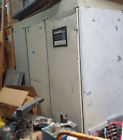
( Brand: Edpac ), ( Manufacturer Part Number: GD8037 ), ( Part Type: Ac Unit )
Review EDPAC 20 Ton Glycol cooled Discharge Computer Room Ac Unit
R22-R407C EDPAC GD8037: A High-Performance, 20-Ton, Glycol-Cooled Discharge Air Conditioning Unit
The R22-R407C EDPAC GD8037 is a powerful and efficient 20-ton glycol-cooled discharge air conditioning unit designed for heavy-duty industrial applications. With its unique combination of performance, reliability, and energy efficiency, this unit sets a new benchmark in air conditioning solutions.
Design and Construction:The EDPAC GD8037 boasts a robust, weather-resistant design with a heavy-duty steel cabinet and corrosion-resistant coating. This unit is built to withstand the rigors of industrial environments and deliver consistent performance even in demanding conditions. The compact design ensures minimal floor space requirement, while large access doors provide easy access for maintenance.
Cooling Capacity and Cooling Method:With a cooling capacity of 20 tons, the R22-R407C EDPAC GD8037 is capable of cooling large industrial spaces. The glycol-cooled discharge system ensures that operation remains uninterrupted in extreme ambient temperatures, making this unit ideal for applications in hot climates or process environments. The glycol-cooled condenser allows for a more consistent operating temperature and longer equipment life.
Efficiency and Performance:The R22-R407C EDPAC GD8037 is engineered for high efficiency, with a high SEER rating. The unit features a fan motor with a backward-inclined impeller for efficient airflow and low power consumption. The system's evaporator and condenser fans employ hydrostatic bearings that require minimal maintenance and provide superior cooling performance.
Advanced Controls and Features:This advanced air conditioning unit is equipped with state-of-the-art microprocessor control to ensure precise temperature control and monitoring. The EDPAC GD8037 also features alarms for low refrigerant pressure, high proportional pressure switch, and compressor faults. An easy-to-read digital display indicates various operating parameters for effortless monitoring.
Ease of Maintenance and Installation:The R22-R407C EDPAC GD8037 is designed with maintenance in mind. Key components, such as the condenser and evaporator coils, are easily accessible for cleaning or replacement. Routine maintenance is a breeze with accessible filters and drain pans. The unit comes with a user-friendly installation manual to simplify the installation process.
Safety and Compliance:Safety is a top priority in the design of the R22-R407C EDPAC GD8037. Features such as low pressure and high-pressure safety switches, magnetic refrigerant leak detectors, and grounded-neutral polarity protection ensure equipment and the surrounding environment are safe from refrigerant leaks or other hazards. The unit complies with relevant regulations, such as DOE standards, for optimal energy efficiency and environmental sustainability.
Pros and Cons of Buying R22-R407C EDPAC GD8037 20 Glycol-Cooled Discharge AC Unit
1. R22-R407C Refrigerant: This AC unit uses R22-R407C refrigerant which is a blend of two hydrochlorofluorocarbons (R22 and R407C). Although it's considered an older refrigerant with higher global warming potential (GWP), it's still in use due to its efficient performance in large commercial applications like glycol-cooled AC systems.
Pros:i. Efficient cooling: R22-R407C refrigerant has a high cooling capacity, making it suitable for large commercial applications.
ii. Widely used: It's widely used in the HVAC industry, which makes spare parts and maintenance support widely available.
iii. Cost-effective: Its availability and common use make it relatively cost-effective compared to newer, more environmentally friendly refrigerants.
Cons:i. Environmental impact: R22-R407C refrigerant contributes to both ozone depletion and greenhouse gas emissions, which may be a concern for those looking for eco-friendly options.
ii. Phasing out: The production and usage of R22-R407C refrigerant is being phased out due to its environmental impact. By 2020, production and import for servicing existing equipment only will be permitted in the US.
iii. Higher maintenance requirements: R22-R407C refrigerant requires more frequent maintenance due to its higher compressor discharge temperatures.
2. Glycol-Cooled Discharge AC System: This AC unit uses glycol-cooled discharge cooler to improve the system's energy efficiency by reducing the temperature difference between the hot process fluid and the cooling water.
Pros:i. Energy savings: Glycol-cooled discharge systems help to increase energy efficiency by reducing the difference between process fluid and cooling water temperatures.
ii. Improved heat transfer: Glycol plays an essential role in both the cooling process and as a corrosion inhibitor, which helps prolong equipment life and increase cooling capacity.
iii. Flexibility: Glycol-cooled systems offer the flexibility to handle higher loads and maintain lower temperature differences between process fluid and ambient air.
Cons:i. Complexity: These systems are more complex than air-cooled systems, requiring more components and maintenance.
ii. Higher cost: The initial investment for glycol-cooled systems will be higher due to the added components and larger equipment size.
iii. Water Quality: Proper glycol solution concentration and water treatment is crucial to maintain the system's performance and prevent corrosion.
Conclusion:The R22-R407C EDPAC GD8037 20 Glycol-cooled discharge AC unit offers high cooling capacity and improved energy efficiency through its glycol-cooled discharge cooler. However, it comes with the environmental concerns related to R22-R407C refrigerant and the added complexity and higher cost associated with glycol-cooled systems.
If your primary considerations are cost and environmental impact, you might want to explore alternatives that use eco-friendly refrigerants and do not require glycol-cooled systems. For large commercial applications with high cooling demands, the benefits of this system, such as energy savings, improved heat transfer, and flexibility, might outweigh its environmental and cost concerns.
Recommendation:If you are considering purchasing an R22-R407C EDPAC GD8037 20 Glycol-cooled discharge AC unit, thoroughly evaluate the costs, energy savings, and maintenance requirements of this system against alternatives using eco-friendly refrigerants and non-glycol cooled systems. Consider the specific requirements of your application and consult with an HVAC professional to help you make an informed decision.
Details:
specifications acrfrigeratio:
- brand: Edpac
- mpn: Gd8037
- part type: Ac Unit
General acrfrigeratio:
- condition: New other see details
- in stock: Yes
- business industrial > mro industrial supply > hvac > hvac units business industrial > acrefrigeration units hvac units
Shipping acrfrigeratio:
- type: NotSpecified
Offer acrfrigeratio:
- Sold: 0
- bids: 0
- best offer: true
- quantity: 1
- Started: September 14, 2017, 11:32 am
Returns acrfrigeratio:
- policy: no returns
Seller acrfrigeratio:
- zipcode: 11203
- city: Brooklyn, New York
Payments acrfrigeratio:
- PayPal
Ratings:
- hard to find, good part 08-13-17
- 5 STAR 08-28-17
- Thank you for an easy, pleasant transaction. Excellent buyer. A 07-22-17
- Outstanding seller. Item arrived defective but gave a full refund. A 07-28-17
- Great communication. A pleasure to do business with. 07-29-17
